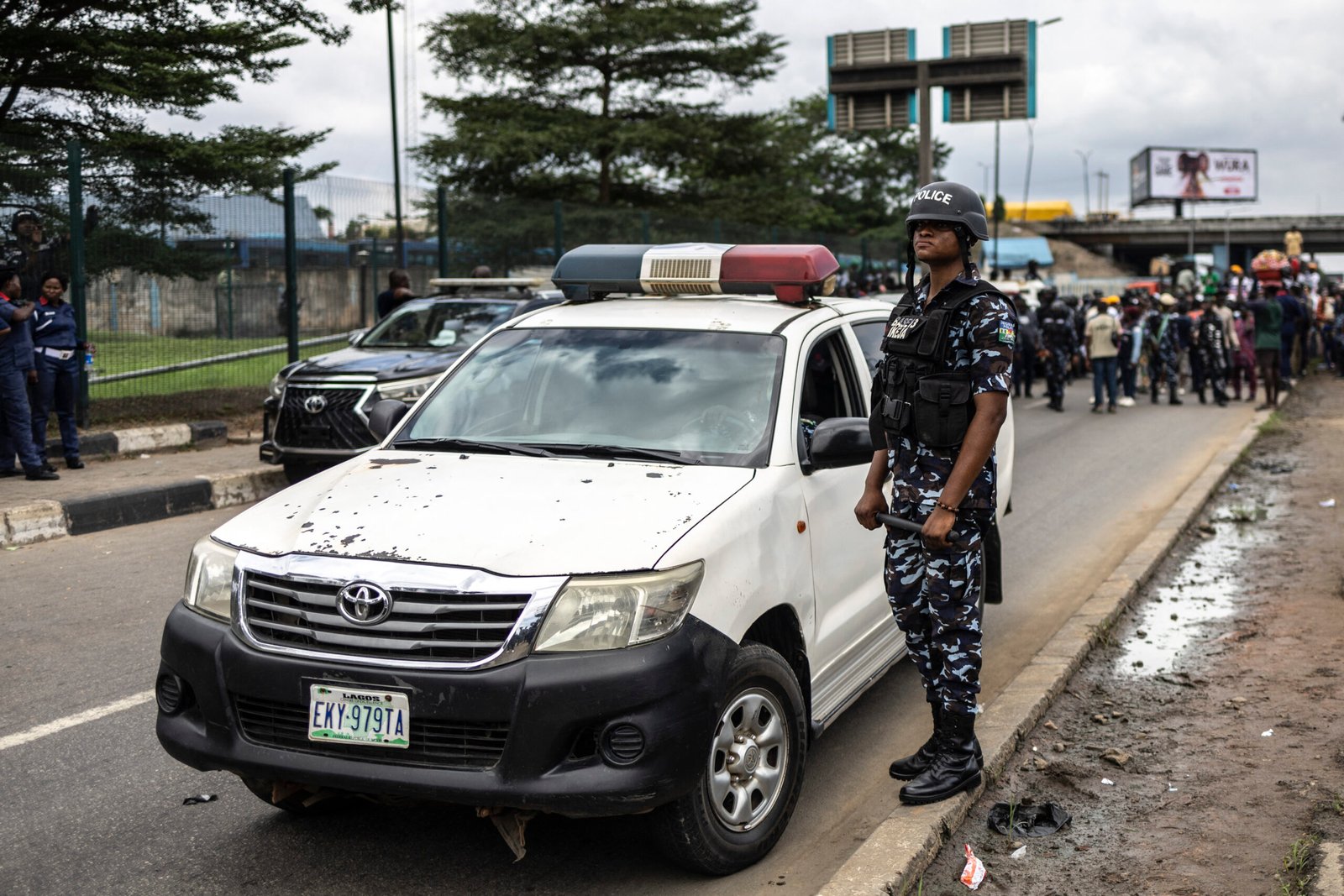
Growing concerns over police checkpoint operations across Nigeria are fueling renewed calls for reforms, as civil society leaders warn that persistent allegations of extortion, abuse of authority, and weak oversight are widening the trust gap between law enforcement and citizens.
In a statement issued to journalists on Friday in Taraba State, the state chairman of the Coalition of Civil Society in Nigeria, Dr. Joseph Gimba, said the strained relationship between the public and the Nigeria Police Force could weaken cooperation in intelligence gathering, damage Nigeria’s international human rights reputation, and allow corruption networks to thrive within policing structures.
The debate, observed amid broader national conversations about modernizing policing practices and strengthening accountability within security institutions, has renewed scrutiny of the growing number of police checkpoints on highways and urban roads.

Across the country, routine checkpoints—originally designed to deter crime and intercept illegal weapons—have increasingly become a point of friction between motorists and officers.
Gimba attributed the growing public dissatisfaction to inconsistent procedures, lack of transparency, and insufficient monitoring of checkpoint activities.
“Checkpoint operations should serve public safety, not erode public trust,” Gimba said. “Without proper oversight and standardized procedures, the system becomes vulnerable to abuse.”
He warned that beyond public frustration, the consequences could undermine national security, noting that reduced cooperation from citizens may weaken intelligence gathering needed to combat organized crime, terrorism, and kidnapping.
To address the situation, Gimba urged authorities to adopt a comprehensive framework aimed at restoring public confidence while maintaining effective security operations.
According to him, key objectives should include ensuring checkpoint operations strictly comply with constitutional and statutory laws, reducing corruption and abuse of authority, standardizing procedures nationwide, and increasing transparency and accountability within police operations.
At the center of the reform proposals, he said, is the creation of a National Checkpoint Operations Manual that would establish clear national standards governing checkpoint activities.
Under the proposed framework, the manual would define when checkpoints may legally be established, the maximum number permitted within a jurisdiction, and the duration limits and approval procedures for such operations.
Gimba also called for stronger disciplinary measures within the police system, including a zero-tolerance policy that would mandate the immediate suspension of officers pending investigation whenever credible complaints are received from members of the public.
He further recommended installing visible signage at checkpoints to inform motorists of the purpose of the stop, their rights during stop-and-search procedures, and how to report misconduct.
In addition, he advocated nationwide public awareness campaigns to educate citizens on the legal limits of police authority while encouraging victims of abuse to report incidents.
Read also:
- Defence Minister Christopher Musa sets plan to end road checkpoints, shift soldiers into forests
- Army vows justice after Soldier kills Bus Driver at Ondo checkpoint
- Stakeholders urge government to fix toads, cut checkpoints to prevent tanker explosions in Taraba, Adamawa
According to Gimba, community–police forums should include checkpoint conduct as a standing agenda item to strengthen dialogue between residents and security agencies.
He added that improving professional standards and officer welfare could help reduce financial pressures that sometimes contribute to corruption within the force.
“Security and civil liberty are not mutually exclusive,” Gimba said, echoing recommendations contained in a policy brief circulating among reform advocates.
“By institutionalizing accountability, leveraging technology, and reinforcing professional standards, checkpoint operations can shift from a source of grievance to a pillar of lawful, intelligence-driven policing.”