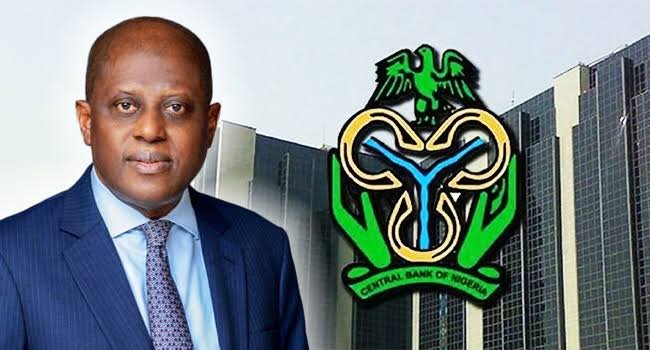
The Central Bank of Nigeria has cautioned that the rapid expansion of digital payment platforms and stablecoins could trigger foreign exchange volatility and weaken monetary policy transmission if not properly regulated.
CBN Governor Olayemi Cardoso issued the warning during the 2026 G-24 Technical Group Meetings held in Abuja, where policymakers and financial experts gathered to assess emerging risks in global finance. He said the accelerating shift toward private digital payment systems poses significant challenges for emerging markets, including Nigeria.

Cardoso pointed to the growing influence of non bank digital platforms and foreign currency denominated stablecoins, warning that unchecked growth could lead to currency substitution and pressure on capital flows. According to him, fragmentation across jurisdictions and the dominance of major global currencies could undermine the monetary sovereignty of developing economies.
He stressed that without coordinated international regulation, cross border digital payments could become increasingly fragmented, raising transaction costs, reducing interoperability and limiting the ability of emerging economies to manage their exchange rates effectively.
Read Also:
- Controversy as CBN bans Naira cash bouquets days to Valentine, offenders risk jail term
- CBN okays weekly foreign exchange sale of $150,000 to each bureau de change
- Nigeria’s Fintech sector tops Africa again with $520m funding in 2024, CBN Reports
Despite the concerns, the CBN governor acknowledged that digital payment reforms offer substantial benefits. He noted that Nigeria’s reforms have improved remittance flows, with monthly inflows averaging about 600 million dollars. He attributed the growth to targeted policies and payment innovations that have made transfers faster, cheaper and more accessible for Nigerians in the diaspora.
Cardoso urged member nations of the G-24 to adopt similar reforms to lower remittance costs, support micro, small and medium enterprises and strengthen regional economic integration. He emphasized that digital transformation must be carefully sequenced and backed by strong regulatory frameworks to avoid systemic risks.
In a related development, Nigeria’s Finance Minister and Coordinating Minister of the Economy, Wale Edun, said ongoing fiscal and digital reforms are expected to raise the country’s tax to GDP ratio to 18 percent in the medium term. He explained that the government is modernizing tax administration, widening the tax base and improving compliance through technology driven initiatives, including the National Single Window project.
Edun added that Nigeria is shifting from a borrowing led model to one anchored on domestic revenue mobilization and private sector investment, positioning digital reforms as central to long term economic stability.
The CBN’s warning comes at a time when digital payments, fintech platforms and cross border transactions are expanding rapidly across Africa. While the reforms are improving financial inclusion and efficiency, policymakers say vigilance is required to guard against foreign exchange instability and regulatory gaps.