
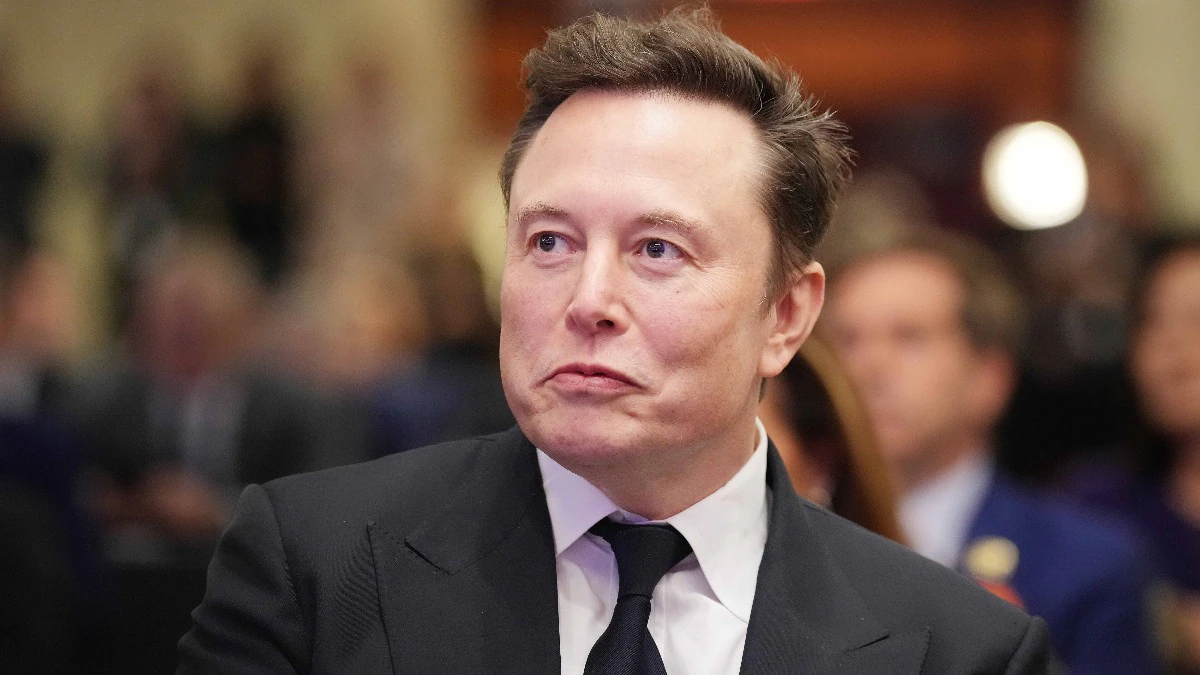
Tech entrepreneur Elon Musk has stirred widespread discussion after stating, “I agree with the teachings of Jesus,” a remark that has since triggered a wave of public responses from Christians urging him to reflect more deeply on the foundations of the Christian faith.
The comment, highlighted in an online post under the headline “So close, yet so far,” was welcomed by many believers as an affirmation of Christian moral principles. At the same time, it opened a broader debate about whether agreement with Jesus’ ethical teachings is enough to align with Christianity’s central claims.

Responding to Musk’s statement, several Christian commentators acknowledged the value of Christ’s moral instruction, including teachings on love, forgiveness, humility, truthfulness and compassion. They described these principles as transformative and enduring.
However, they argued that Christianity is not built solely on moral philosophy. According to their position, the faith hinges on the belief that Jesus Christ is not only a teacher but the Son of God. They referenced biblical accounts in which Jesus forgave sins, performed miracles, accepted worship and spoke of divine authority, actions that Christians interpret as declarations of divinity.
Read Also:
- Paris prosecutors raid France offices of Elon Musk’s X
- EU investigates Elon Musk’s X over Grok AI sexual deepfakes
- Global backlash forces Elon Musk’s X to clamp down on Grok after surge in sexualised AI images
Central to the discussion is the Christian doctrine of the resurrection. Supporters of this view cited New Testament narratives describing the empty tomb and the early disciples’ public proclamation of Jesus’ resurrection in Jerusalem, despite facing persecution. Some clergy maintain that such claims would not have endured had they been easily disproven in the city where the events allegedly occurred.
The debate has since expanded beyond theological circles, drawing reactions across social media and religious platforms. While some observers expressed hope that Musk might further explore Christian belief, others framed the exchange as part of a wider cultural conversation about faith among influential global figures.
Musk, who has previously spoken about religion, philosophy and science, has not issued additional clarification beyond his brief statement. His comment, however, has reignited a longstanding question within Christian theology and public discourse: Is Jesus best understood as a moral teacher, or as the divine figure central to Christian belief?
The renewed attention reflects the continuing intersection of religion, public life and the views of high profile leaders in technology and business. As discussion continues, Musk’s short remark has sparked a far reaching conversation about belief, identity and the meaning of faith in the modern world.