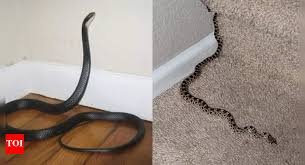
Snakes appearing in homes often trigger fear and panic, but such encounters are usually influenced by environmental factors. Understanding why snakes enter residential areas and how to respond can significantly reduce risks to life and property.
Why Snakes Come Indoors:
Snakes do not deliberately seek out humans. Wildlife experts explain that they are typically drawn into homes by food, shelter, or changing environmental conditions.

Keeping poultry, goats, animal feed, open refuse dumps, or food waste within residential compounds can attract rodents such as rats and mice. Snakes often follow their prey, which includes rodents, frogs, lizards, and insects.
During the rainy season, snakes may enter houses in search of dry or warm areas, especially around electrical appliances or other warm surfaces.
In periods of extreme heat, snakes look for water. Leaking pipes, open drainage systems, uncovered water storage containers, and nearby wells can therefore attract them.
Snakes may also be seen in or around homes due to overgrown bushes, tall grass, gardens, farms, or undeveloped land close to residential buildings. These environments create pathways and hiding places that allow snakes to move closer to homes and eventually gain access through cracks in walls or poorly sealed doors and windows.
What to Do When You See a Snake:
Health and safety authorities advise residents to remain calm if they encounter a snake indoors. Sudden movements or attempts to kill the animal may increase the risk of a bite.
Occupants should keep a safe distance, move children and pets away from the area, and, if possible, isolate the snake by closing surrounding doors. Attempting to catch or handle a snake without professional training is strongly discouraged.
Instead, residents should contact wildlife control officials, environmental officers, or emergency services where available. If the snake is close to an exit, such as a door or window, opening it from a safe distance may allow the animal to leave on its own.
After the Snake Is Gone:
Once the immediate danger has passed, homeowners are advised to inspect their surroundings. Sealing holes, repairing cracks, clearing bushes around the house, and maintaining proper waste disposal can help prevent future incidents.
Eliminating rodents is particularly important, as snakes rarely remain in areas where food sources are absent.
Snake Bites: What to Do
In the rare event of a snake bite, medical experts stress the need for immediate hospital care. Victims should be kept calm and as still as possible to slow the spread of venom.
Practices such as cutting the wound, sucking out venom, or applying harmful substances are dangerous and should be avoided.
Myths That Increase Risk:
Contrary to popular belief, not all snakes are venomous, and snakes do not chase humans. They are defensive animals that generally prefer to escape rather than confront threats.
Killing a snake also does not prevent others from appearing; addressing environmental conditions is far more effective.
Staying Safe:
Public health officials emphasize that awareness, cleanliness, and calm responses are the most effective defenses against snake encounters. As urban expansion continues to encroach on natural habitats, occasional human-snake encounters may occur.
However, with the right precautions, education, and preparedness, such encounters do not have to end in tragedy—protecting both human life and the ecosystem.