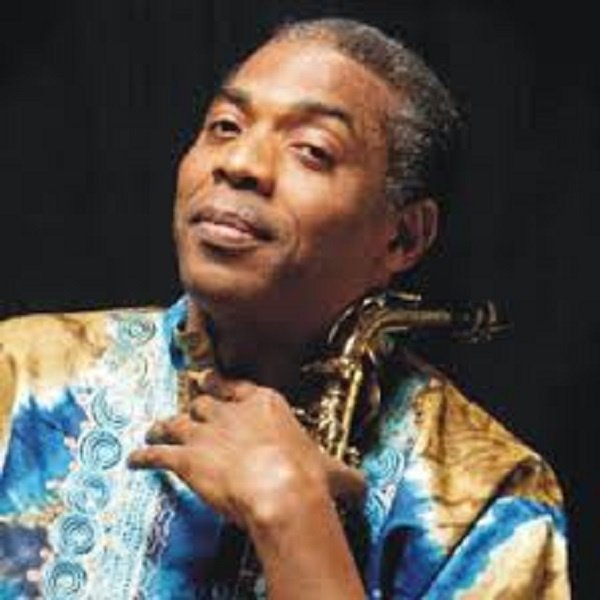
Afrobeat musician and instrumentalist Femi Kuti has criticized the comparisons made between modern Nigerian artists and his late father, the iconic Afrobeat pioneer Fela Anikulapo-Kuti, deeming such discussions “unnecessary.”
He expressed this during a recent appearance on an Arise Television program.
The debate was sparked by Afrobeats artist Wizkid’s assertion that he is “bigger” than Seun Kuti’s father, Fela.

In response to a comment from Seun Kuti, Wizkid reportedly stated, “I big pass your papa.”
Addressing the controversy, Femi Kuti made it clear that he would not engage in the debate, emphasizing that Nigeria has more pressing issues to tackle than celebrity comparisons.
“I wish this topic had never arisen. I’m not getting involved in it,” he remarked. “The government doesn’t even know how to move people forward positively. It’s shameful.”
Following the debate, Fela was nominated for a Lifetime Achievement Award at the Grammys, reigniting discussions about his impact on the current generation of musicians.
Regarding this honor, Femi argued that Fela should not be compared to today’s artists, asserting that Fela is the cornerstone of Nigeria’s music industry.
“Fela is the musical and artistic template in Nigeria. He should be placed in a category of his own and respected,” he stated.
While acknowledging the international success of contemporary Afrobeats artists, Femi emphasized the importance of unity and nation-building over rivalry narratives.
Read also:
- Wizkid dominates African Entertainment Awards 2025 with triple triumph, cementing global Afrobeats supremacy
- ‘KEEP LAUGHING TILL CHRISTMAS’: MC Onestar Outlines Seven Ways Entertainment Shapes Society
- NUJ pushes for endowment funds for entertainment industry
He expressed concern over Nigeria’s slow political and social development, noting that many issues Fela addressed decades ago remain unresolved.
“For 29 years since his passing, we are still discussing the same problems,” Femi remarked, highlighting that corruption, insecurity, tribalism, and terrorism now pose even greater challenges to the nation.
He urged Nigerians, especially the youth, to leverage the global recognition of Nigerian music to contribute to nation-building and tackle its fundamental issues.
“This recognition is beneficial for Nigeria and Africa. We should use it to strengthen the country, develop our music industry, and unite,” he concluded.