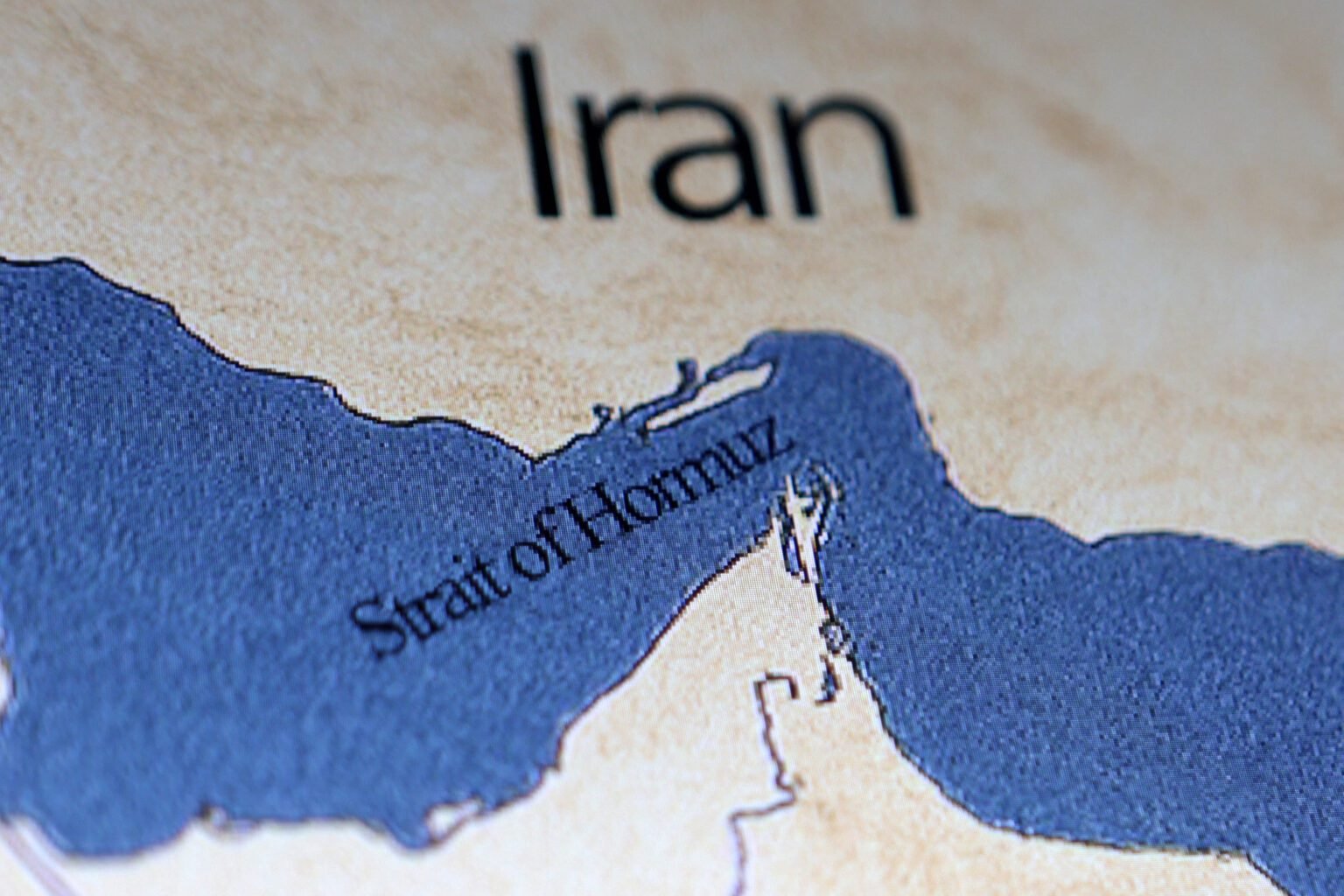
Iran has issued a new warning to the United States after President Donald Trump ordered a significant naval force to be sent towards the country, stating that Washington is closely monitoring Tehran amid rising tensions following the violent crackdown on protesters by the Iranian government.
The warning was made by senior Iranian cleric Mohammad Javad Haj Ali Akbari, who indicated that Tehran could target US-affiliated investments throughout the Middle East if the US were to attack Iran.

“The one trillion dollars you have invested in the region is under the watch of our missiles,” he stated.
Tensions escalated after Trump threatened Iran over reports of protester executions, warning of serious repercussions if such actions continued.
The US president confirmed that a substantial naval fleet, including the aircraft carrier USS Abraham Lincoln and several guided-missile destroyers, was heading to the region, although he expressed hope that it would not be necessary to use it.
“We have an armada… heading in that direction, and maybe we won’t have to use it,” Trump remarked, adding: “We are watching them very closely.”
In the meantime, the UK has sent Royal Air Force Typhoon fighter jets to Qatar, which the Ministry of Defence described as a defensive measure.
This deployment follows escalating tensions between Tehran and Washington and concerns regarding regional stability.
An MoD spokesperson noted that the deployment, made at the request of the Qatari government, demonstrates the UK’s commitment to collaborating with international partners to ensure security in the Middle East.
Read also:
- Army denies alleged death of recruit from Gombe at Zaria depot
- Over 160 Million Americans on alert as ‘Extremely Dangerous’ Winter storm looms this Friday
- Ebonyi moves to end open defecation, cholera, poliomyelitis
The four Typhoon jets, capable of carrying various short- and long-range guided missiles, were dispatched to Qatar, located just across the Persian Gulf from Iran.
Iranian officials have refuted claims that executions of protesters have been suspended.
Iran’s chief prosecutor, Mohammad Movahedi, dismissed reports suggesting that hundreds of executions had been canceled, stating that “this claim is completely false. No such number exists, nor has the judiciary made any such decision.”
Iran’s foreign minister, Abbas Araqchi, also asserted that there was “no plan for hanging at all,” despite increasing international concern.
The United Nations Human Rights Council is set to hold an emergency session to address what it has termed “alarming violence” against protesters in Iran, where demonstrations that began over economic issues have transformed into broader demands for political reform.
Human rights organizations estimate that thousands have died since the protests began, although exact numbers remain contested due to a near-total internet blackout in the country.
Analysts suggest that the prolonged shutdown has hindered the verification of reports and may be intended to obscure the extent of the crackdown.