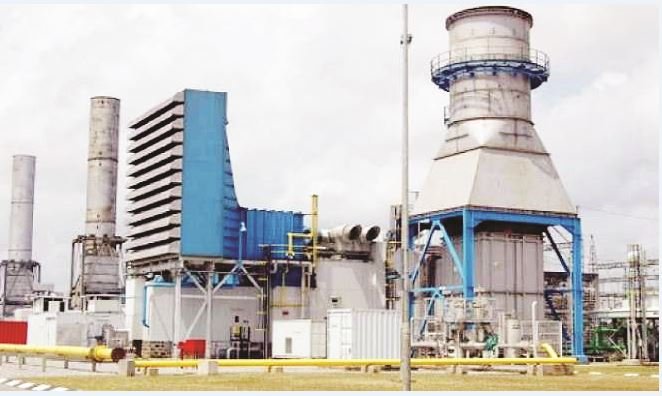
The Open Forum for Humanity Organisation (OFHO) has criticised plans by the Akwa Ibom State government to sell the state-owned Ibom Power Plant (IPP), warning that such a move could further undermine the state’s quest for sustainable electricity and economic development.
The group also urged the federal government to suspend the implementation of the new tax laws, citing unresolved grey areas and allegations of illegal alteration and forgery of provisions passed by the National Assembly.

Speaking in an interview in Uyo, the Akwa Ibom State capital, the convener of the forum, Mr. Mathew Okono, stressed the need to reposition Ibom Power Plant for optimal utilisation and uninterrupted power supply across the state.
Okono lamented that despite the company’s potential to serve as a flagship in Nigeria’s power sector, years of mismanagement and conflicting interests had rendered it largely ineffective.
He recalled recent warnings by former Akwa Ibom State Governor, Obong Victor Attah, against the proposed sale of the power plant to private interests.
He also referenced concerns raised by Prof Akpan Ekpo, who oversaw the establishment of the company, over its current state and performance.
According to Okono, Prof. Ekpo has called on the state government to engage the original team that set up the company to help rescue and reposition it, noting that sustainable economic development is impossible without reliable electricity.
The forum also expressed disappointment over the handling of a promised technical audit ordered by the Umo Eno-led administration, which it said was awarded to an Ibom Power Company contractor in collaboration with AKICORP, the supervisory agency of the company.
Okono said the audit exercise was surrounded by controversies that further weakened confidence in the reform process.
Read also:
- A’ Ibom govt, bizman in court over consultancy fees
- IGR: Tourism sector to generate N100b annual revenue in A’ Ibom– Ini Akpabio
- A’ Ibom govt blames hike in petrol price on lack of depot
He added that initiatives such as the State Electricity Act and the power summit held in 2025 had not significantly added value to efforts aimed at repositioning the company.
Aligning with Prof. Ekpo’s position, Okono said the state government should convene a roundtable discussion with the original architects of the project, including Prof. Okon Ansa and others, to chart a sustainable way forward.
He argued that technical teams, rather than costly summits, were better suited to address the company’s challenges.
The forum further called for a thorough investigation into alleged corruption, inefficiency, and unethical practices in the supervision and management of Ibom Power Plant, insisting that accountability was necessary to serve the broader public interest rather than narrow personal agendas.
On the controversy surrounding the new tax laws, OFHO described the alleged alteration or forgery of provisions in the signed law as “criminal” and urged the National Assembly to expedite the work of its investigative committee.
The group also encouraged civil society organisations and professional bodies to conduct independent investigations to uncover the truth behind the tax law controversy.