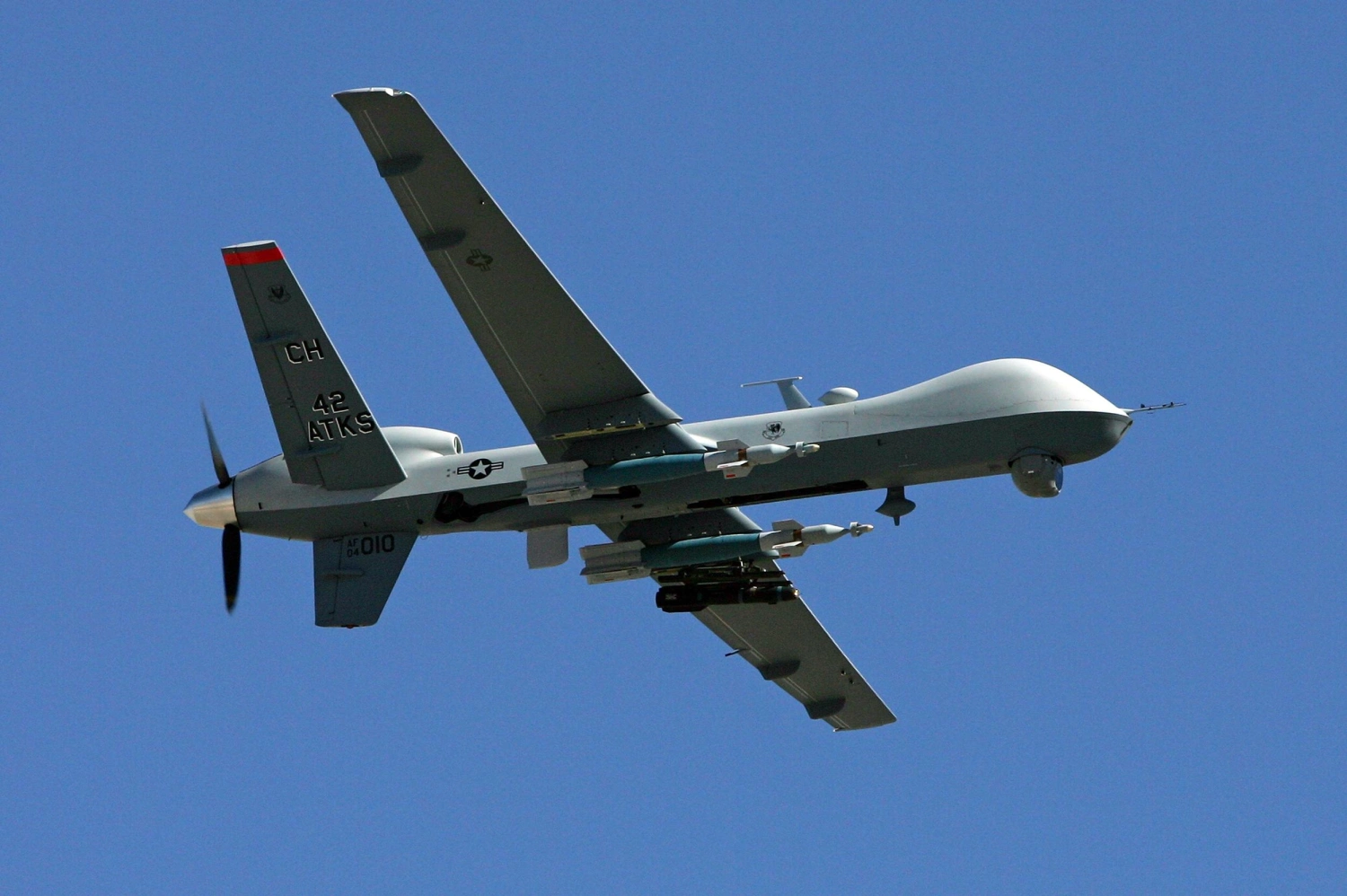
The United States has reportedly stepped up covert surveillance operations over Nigeria, conducting near-daily intelligence-gathering flights since late November, following a military warning issued by US President Donald Trump over Nigeria’s worsening security situation.
Flight tracking data and confirmations from current and former US officials reveal that contractor-operated surveillance aircraft have been flying across large swathes of Nigerian airspace, signalling a renewed and intensified security partnership between Washington and Abuja amid escalating threats from terrorist groups.
The surveillance flights reportedly began shortly after Trump publicly threatened possible military action, accusing Nigeria’s government of failing to curb violent attacks, particularly those affecting Christian communities. While the precise objectives of the missions remain undisclosed, sources indicate the operations are linked to counterterrorism intelligence and regional security monitoring.

According to flight data reviewed by Reuters, the aircraft typically departs from Accra, Ghana, flies over Nigeria, and returns to the Ghanaian capital. The operator has been identified as Tenax Aerospace, a Mississippi-based firm known for providing special mission aircraft and working closely with the US military. The company has declined to comment on the operations.
Security analysts say the flights appear to be coordinated from Accra, a strategic logistics hub for US military operations in Africa. Liam Karr, Africa Team Lead at the American Enterprise Institute’s Critical Threats Project, said the surveillance suggests Washington is rebuilding its intelligence footprint in the region after Niger ordered US troops to vacate a major air base last year and shifted security ties toward Russia.
In recent weeks, intelligence and surveillance missions over Nigeria have resumed, Karr noted, describing the development as an early sign of expanded US regional capacity.
A former US official disclosed that several surveillance assets were relocated to Ghana in November, with missions including efforts to track a kidnapped US pilot and monitor militant groups such as Boko Haram and the Islamic State West Africa Province. A serving US official confirmed the flights but declined to provide details, citing diplomatic sensitivity.
Another US administration source said Washington remains committed to working with Nigeria to address religious violence, anti-Christian attacks, and the spread of terrorism destabilising the region. All officials spoke on condition of anonymity.
The Pentagon acknowledged holding high-level meetings with Nigerian authorities following Trump’s comments but refused to discuss intelligence operations. Nigeria’s military spokesperson and Ghana’s deputy defence minister did not respond to requests for comment.
Read also:
- Fury in Idomaland as US delegation skips visit
- NGO, The Trumpet hold leaders, media forum
- Reasons for U.S. Visa Restrictions on Nigeria – Insights from U.S. Ambassador
Nigeria’s government has consistently maintained that armed groups target both Muslims and Christians, rejecting claims of selective religious persecution and stressing the complexity of its security challenges. Despite these disagreements, Abuja has reportedly agreed to deepen cooperation with Washington to strengthen its counterterrorism capacity.
A Nigerian security source disclosed that during a November 20 meeting between National Security Adviser Nuhu Ribadu and US Defence Secretary Pete Hegseth, both countries agreed to deploy aerial assets for intelligence gathering. Follow-up inquiries to the Nigerian military went unanswered.
Further flight records show that the surveillance aircraft, a Gulfstream V jet commonly modified for intelligence, surveillance and reconnaissance missions, was spotted at MacDill Air Force Base in Florida on November 7 before flying to Ghana on November 24, days after the high-level US-Nigeria security talks. Since then, the aircraft has reportedly flown over Nigeria almost daily.
The intensified surveillance comes against the backdrop of worsening insecurity across Nigeria, with persistent attacks by insurgents and bandits continuing to challenge national stability and regional peace.