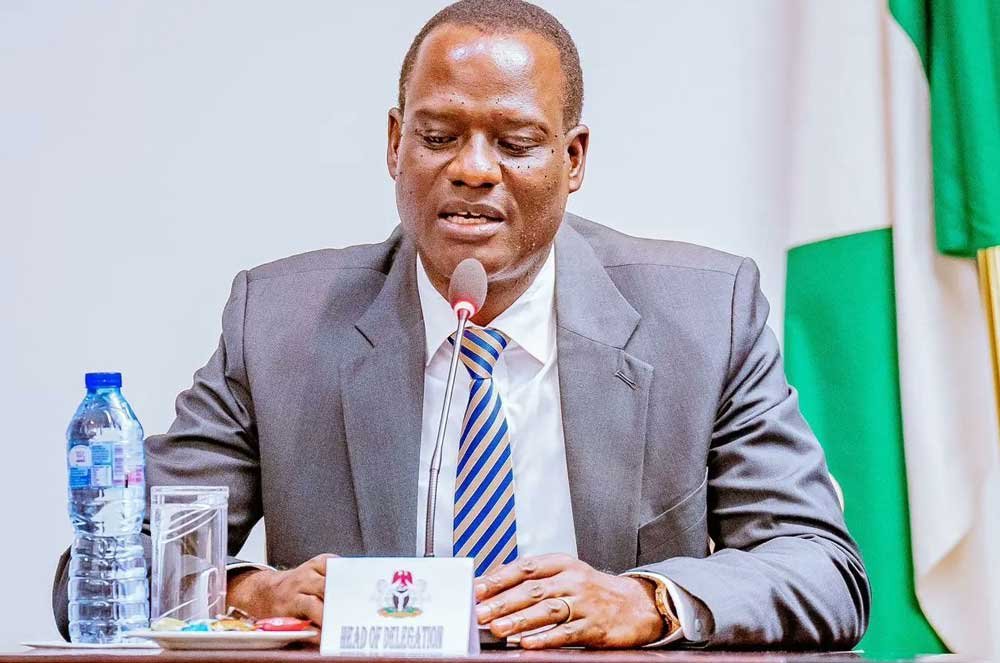
Taiwo Oyedele, Chairman of the Presidential Fiscal Policy and Tax Reforms Committee, has warned that failure to implement Nigeria’s new tax laws by January 1, 2026 will leave the vast majority of workers trapped in an unfair tax system that disproportionately burdens low-income earners.
Speaking on Monday, December 22, during an interview on Channels Television’s The Morning Brief, Oyedele said delaying the reforms would mean the bottom 98 percent of Nigerian workers continue to be overtaxed, while inefficiencies in the current tax regime persist. His remarks come amid growing calls by former Vice President Atiku Abubakar, Labour Party presidential candidate Peter Obi, and several civil society groups for a postponement of the new tax framework.

Oyedele argued that halting the reforms would worsen the financial strain on households and businesses. He said companies would continue to grapple with multiple taxation and lose access to exemptions provided under the new laws, while small and struggling businesses would remain subject to minimum taxes despite low or zero profits. He also warned that hidden value-added tax would keep driving up the cost of essentials such as food, healthcare and education.
Rather than calling for a blanket suspension, Oyedele urged stakeholders to clearly identify contentious areas within the legislation and address them without derailing the entire reform process. He said even the version passed by the National Assembly contains sections that require technical amendments, particularly in areas relating to definitions and cross-referencing, which his committee plans to raise with the President.
Read Also:
- No government agency can debit your bank account, Oyedele tells Nigerians as tax reform panic grows
- FG enforces mandatory Tax ID for bank accounts from January 2026
- New Tax Law: Why Nigeria should brace for reform, adjust operational spending
On the controversy over alleged discrepancies between the tax bills approved by lawmakers and those later published, Oyedele said it was premature to draw conclusions without access to the officially harmonised versions certified by the National Assembly. He explained that his committee does not currently have the un-gazetted copies of the bills passed by legislators, making it difficult to verify claims of alterations.
Addressing concerns raised by House of Representatives member Abdulsamad Dasuki, Oyedele acknowledged that a controversial provision in Section 41(8) mandating a 20 percent deposit appeared in a draft gazette but was absent from the final version. He noted that some draft documents had circulated publicly even before the relevant legislative committee met, adding that the House committee should be allowed to complete its investigation.
The proposed reforms, scheduled to take effect from January 1, 2026, include the Nigeria Tax Act, the Nigeria Tax Administration Act, the Nigeria Revenue Service Establishment Act and the Joint Revenue Board Establishment Act. All four laws are designed to operate under a unified framework managed by the Nigeria Revenue Service, with the aim of simplifying taxation, reducing burdens on workers and businesses, and improving revenue transparency.