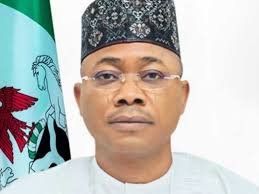
The Kogi State Government has announced plans to domesticate the Nigeria Tax Act 2025, with full implementation scheduled to begin on January 1, 2026, in a move aimed at strengthening fiscal discipline and boosting sustainable economic growth.
Governor Ahmed Usman Ododo made the disclosure on Wednesday in Lokoja at the opening of a stakeholders’ meeting themed “Understanding Nigeria’s Tax Act 2025.” He was represented at the event by his Special Adviser on Tax, Rahman Ichanyi.

According to the governor, the decision to domesticate the new tax law reflects the state’s commitment to good governance, transparency, and the creation of a predictable revenue system capable of supporting long term development. He commended the management and staff of the Kogi State Internal Revenue Service for their professionalism and proactive engagement with stakeholders, describing the sensitisation exercise as a clear demonstration of the government’s inclusive approach to policy implementation.
Ododo explained that the Nigeria Tax Act 2025 stands out for its simplicity, clarity, and taxpayer friendly provisions. He said the law harmonises tax obligations, eliminates multiple taxation, and provides clear guidelines that make compliance easier for individuals and businesses.
Read Also:
- Nigerian Army rescues 2 kidnapped victims, recovers ₦3.8 Million ransom in Kogi State
- Kogi State hails appointment of Samuel Adeyemi Olumode as new Controller General of Federal Fire Service
- EFCC arrests former Kogi State Governor Yahaya Bello
The governor also noted that the Act embraces technology driven processes designed to improve efficiency, reduce human interference, and strengthen accountability in revenue collection. He added that the domesticated law would lower compliance costs, promote fairness and equity, and create a more business friendly tax environment in Kogi State.
According to him, the reforms are expected to strengthen trust between the government and taxpayers, while ensuring that revenue generated is translated into improved public services and infrastructural development across the state.
Governor Ododo called on ministries, departments, and agencies, as well as private sector operators and other stakeholders, to support the effective implementation of the Nigeria Tax Act 2025 and to promote a culture of tax compliance within their respective institutions.
He expressed confidence that the successful rollout of the new tax framework would help Kogi State build a robust and sustainable revenue system capable of driving inclusive growth and development.