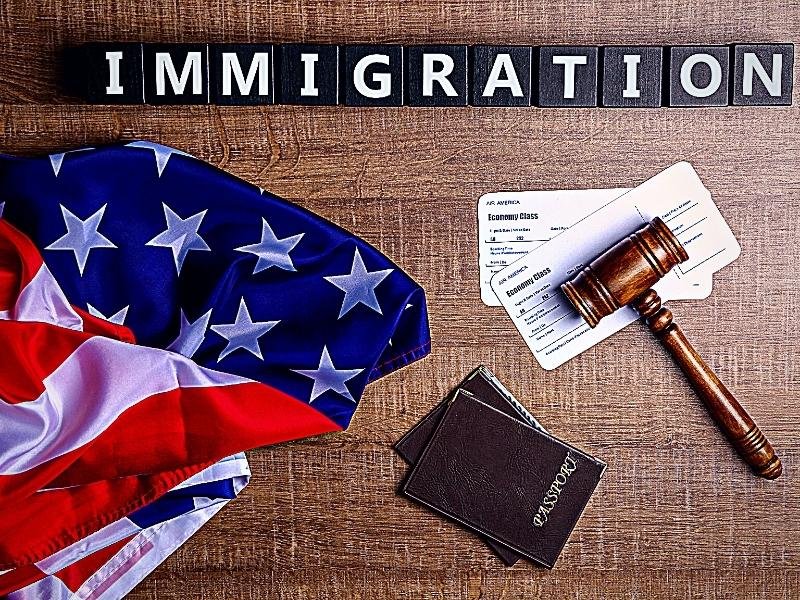
The United States has tightened its immigration procedures, introducing a broad overhaul of work-permit rules and pausing applications from several countries as officials push for more frequent security checks. The United States Citizenship and Immigration Services has cut the maximum validity of employment authorisation from five years to 18 months, describing the move as part of a shift toward closer, intelligence-driven monitoring of non-citizens working in the country.
Federal authorities say the shorter cycle forces repeated background reviews, giving them more opportunities to identify fraud risks or new security information that may not have appeared during earlier screenings. Director Joseph Edlow said the change reflects national security priorities and argued that regular reassessments are needed to guard against threats to public safety. He referred to a recent attack on National Guard personnel in Washington, stating that the incident showed the need for constant checks on individuals admitted into the country.

The policy announcement follows a separate development reported earlier in the week, where the United States government suspended the processing of immigration applications from nineteen countries across Africa, Asia, and the Middle East. The decision has placed thousands of prospective immigrants in uncertainty while Washington conducts fresh reviews of its vetting procedures. Officials have not indicated when the suspension will be lifted, yet they say the measure is intended to protect the integrity of the system and address what they describe as security gaps.
Read also:
- Canada unveils 2026–2028 immigration plan to balance growth, labour needs
- Immigration officer arraigned for allegedly receiving N17.6M salaries from multiple government agencies
- Scandal rocks selection of substantive Immigration boss
Several nations already subject to travel limits are among those facing the strongest restrictions, including Afghanistan, Burma, Chad, the Republic of the Congo, Equatorial Guinea, Eritrea, Haiti, Iran, Libya, Somalia, Sudan, and Yemen.
The policy changes came shortly after a strongly worded Thanksgiving message from former President Donald Trump, who used his public statement to call for a permanent halt to immigration from what he termed “Third World Countries.” His message sharply criticised current immigration laws, claiming that foreign-born populations strain public resources and contribute to social challenges. He pointed to Minnesota as an example of what he described as demographic pressure and accused local leaders of failing to address rising crime.
His remarks targeted current office holders and renewed his criticism of federal immigration policy, reinforcing a long-standing political divide over the direction of the country’s border and entry rules. The renewed debate is unfolding at a time when national security arguments continue to shape Washington’s approach to immigration oversight, workplace vetting, and international travel controls.