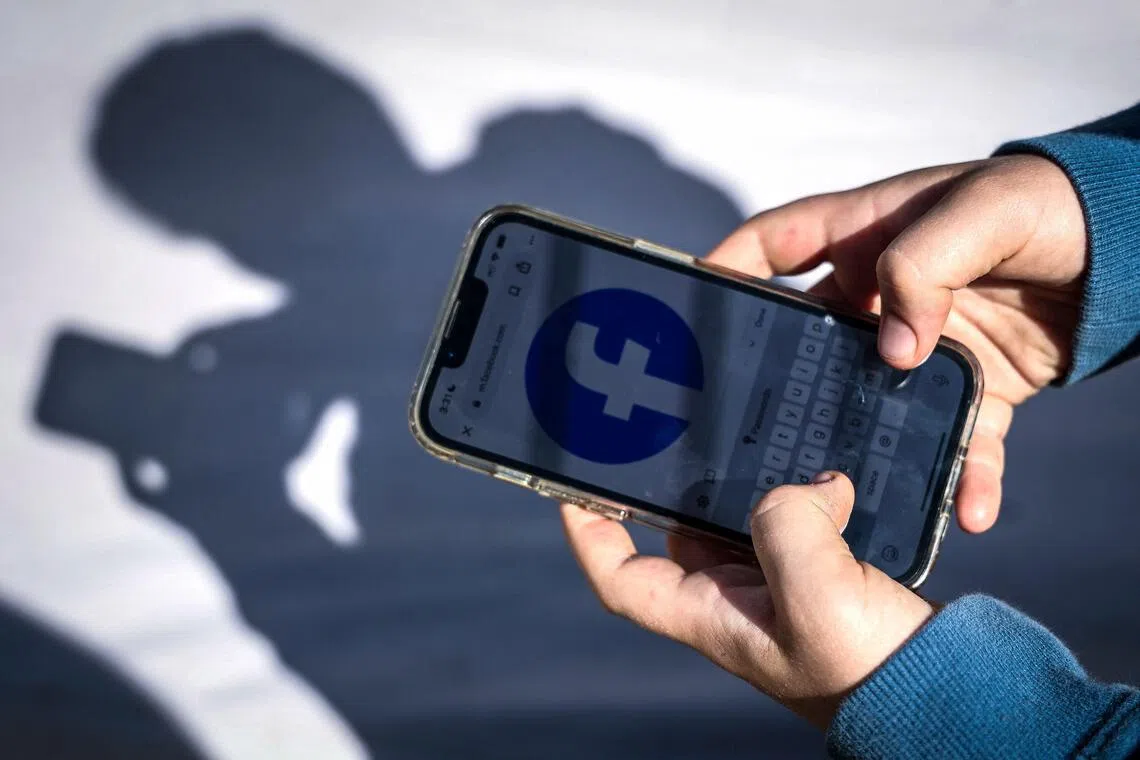
Meta has started removing users under the age of sixteen from Instagram, Threads and Facebook in Australia as the country prepares to enforce the world’s first nationwide youth social media ban. The new rule takes effect on December 10 and requires major online platforms, including TikTok and YouTube, to block access for underage users. Companies that fail to take what the law describes as reasonable steps to comply risk fines of up to forty nine point five million Australian dollars.
A Meta spokesperson said the company is working to identify and remove younger users before the deadline and described the process as ongoing and complex. The company said affected users will be able to save and download their account histories. When they turn sixteen, they will receive a notice that access can be restored with all content returned to its original state.

The change is expected to affect large numbers of teenagers, with Instagram alone reporting about three hundred and fifty thousand Australian users between thirteen and fifteen. Some apps, including Roblox, Pinterest and WhatsApp, are listed as exceptions, though officials said the exemption list is still under consideration.
Meta stressed its intention to follow the law but urged the government to require app stores to take responsibility for age checks and parental approval. The company argued that this would prevent teenagers from having to verify their ages across multiple platforms and would allow social media companies to use confirmed age information more effectively.
Read also:
- Malaysia to resume search for a decade missing MH370 plane
- Body launches campaign to raise N100bn for families of fallen heroes
- 5 drug kingpins bag 21 years imprisonment over Gabon, Australia-bound cocaine, opioids
YouTube has also raised concerns. The company said the new law could make young users less safe because underage viewers would still be able to access the site without an account but would lose automatic safety filters. The Communications Minister, Anika Wells, dismissed the argument and said the concern from YouTube was unusual. She added that some Australian teenagers had taken their own lives after algorithms repeatedly served them harmful content that damaged their self worth. She said the new rules would not solve every problem but would give young people a better chance of avoiding content that harms their wellbeing.
The Digital Freedom Project has filed a legal challenge in the High Court, arguing that the ban unfairly restricts freedom of expression. Authorities expect some teenagers to attempt to bypass the rules through fake identification or the use of artificial intelligence to alter their images. Platforms are required to develop methods to prevent this, although the national safety watchdog has warned that no system will be completely reliable.
Other countries are watching closely as global regulators search for ways to curb the risks associated with social media use among young people. Malaysia has signalled plans for a similar ban next year. New Zealand is also preparing its own restrictions for children under sixteen.