
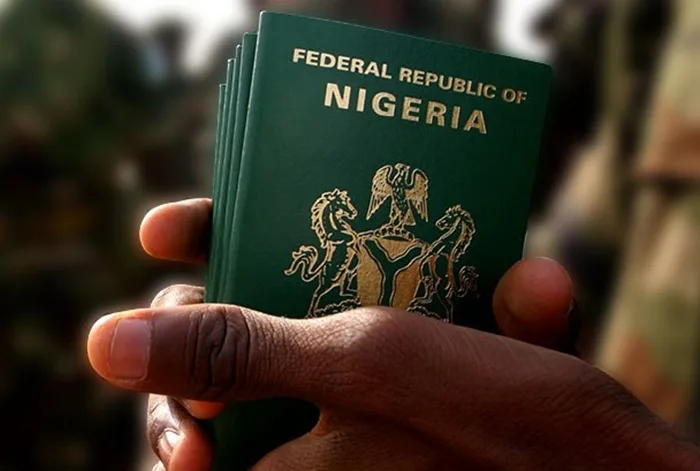
Community leaders representing Nigerians in Europe, in collaboration with the International Advocacy for Human Rights and Anti-Corruption, are calling for urgent government action to resolve ongoing challenges related to the processing of National Identification Numbers (NIN) and passports for citizens living abroad.
This appeal follows the release of a comprehensive report detailing the most significant issues faced by Nigerians overseas, which was published on Monday in Abuja after thorough consultations and analysis of feedback from diaspora communities.
The statement was co-signed by Dr. Okoro Akinyemi from IAHRAC, Mr. Lewis Ehiwario from Concerned Nigerians Germany, and Mr. Dozie Ugochukwu from the Nigeria Business Forum Switzerland, reflecting a range of community perspectives.

The report was developed from a strategic meeting and a cross-country survey conducted among Nigerians in Europe and North America to pinpoint critical challenges and share experiences across various national contexts.
The leaders highlighted that Nigerians abroad frequently experience significant delays and unnecessary travel inconveniences when trying to obtain or verify their National Identification Number, with many facing systemic barriers that impede timely processing and service delivery.
They called for the urgent digitalization and complete modernization of NIN and passport systems, suggesting that Nigerians should be able to access both services simultaneously at embassies to alleviate duplication, stress, and logistical issues encountered abroad.
Read also:
- Shock as Nigerian Passport fees double from September 1, 2025
- FHA, FMBN strengthen partnership to deliver affordable housing for Nigerian Civil Servants
- Nigerian socialite Edikan Adiakpan arrested in Houston over multi-million dollar email scam targeting U.S. institutions
The group stressed the importance of enhancing embassy funding, upgrading equipment, increasing trained staff, providing clearer immigration guidance, and strengthening digital infrastructure to support expanded responsibilities and effectively manage rising service demands.
“A survey of the diaspora revealed major systemic problems, including excessive reliance on private agents for NIN registration, leading to inconsistent procedures, high costs, and widespread dissatisfaction among Nigerians seeking reliable identification services abroad.”
They noted that inconsistent fees, unpredictable processing times, and insufficient oversight indicated potential exploitation, underscoring the need for a secure, fully digitalized NIN registration and verification platform accessible to Nigerians worldwide without unnecessary intermediaries.
The leaders proposed that embassies and consulates take direct responsibility for NIN and passport services, as well as establish mobile registration units in major global cities to ensure wider access and lessen the burden on applicants who need to travel.