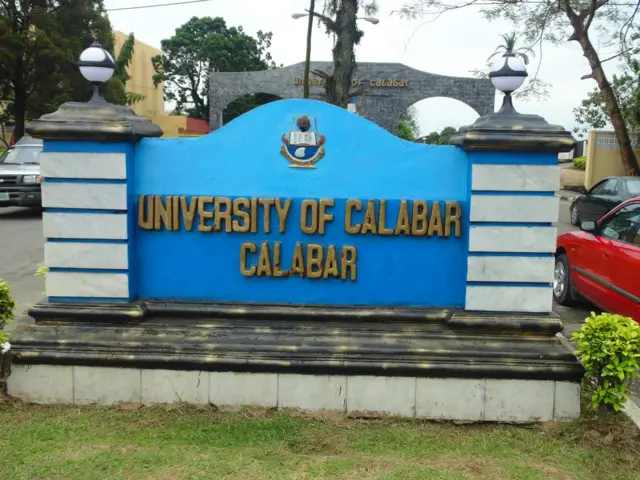
In what rights groups are already describing as a turning point in Nigeria’s fight against sexual misconduct in universities, the Independent Corrupt Practices and other related offences Commission (ICPC) has secured the conviction of Prof Cyril Osim Ndifon, the former Dean of Law at the University of Calabar, on charges of sexual harassment.
The ruling, delivered after a turbulent two-year legal battle, is being celebrated not just as justice served but as the spark for a sweeping national reform to confront abuse of power on campuses.

ICPC spokesperson, John Okor Odey, said the judgment proves that “the rule of law will penetrate the deepest recesses of power and privilege,” insisting that the case shows how “evidence-based prosecution can and will succeed” in holding powerful figures accountable.
The trial, which began in 2023, was anything but straightforward. Deputy Director of Prosecution, Ebenezer Shogunle, revealed that Ndifon made multiple attempts to derail proceedings, but every effort failed.
The breakthrough came from a meticulous investigative trail. Lead prosecutor, Dr. Osubeni Akponiminsingha, disclosed that investigators first obtained Ndifon’s consent to access his phone, then preserved a watertight chain of custody that later proved decisive in court.
Read also:
- Unilorin flags off golden jubilee celebration with health walk
- Lagos to shut Independence Marina-CMS Bridge for 2 months
- Best graduand wins $1000, 48-star prizes at Topfaith school in A’ Ibom
From the device, ICPC forensic analyst, Bwaigu Fungo, unearthed a disturbing pattern: the professor had requested intimate, personal videos from students and admission seekers more than 17 times.
But the agency says the conviction exposed a problem far bigger than one man. Investigators found that many higher institutions lack any functional system to prevent or address sexual harassment — a vacuum that has allowed predators to thrive.
To fix this, the ICPC partnered with the Gender Mobile Initiative (GMI) to develop a national sexual harassment policy. GMI’s Omowunmi Ogunrotimi explained that the new framework not only defines harassment clearly but tackles modern forms, including soliciting nude images — a key feature in the Ndifon case.
In a move to build public trust, the Commission also briefed top media executives on the details of the investigation. One of them, Adefolarin Adeniran of the National Media Group, praised the engagement, calling it a “strategic step that demystifies the judicial process and equips the press to report forensic and legal complexities accurately.”
So far, GMI is working with 354 higher institutions to domesticate the new policy — a scale that signals the beginning of a nationwide cultural shift.
For ICPC, the Ndifon conviction is more than a legal win. It is a blueprint for how forensic precision, transparent prosecution and media collaboration can combine to build a safer learning environment for millions of Nigerian students.