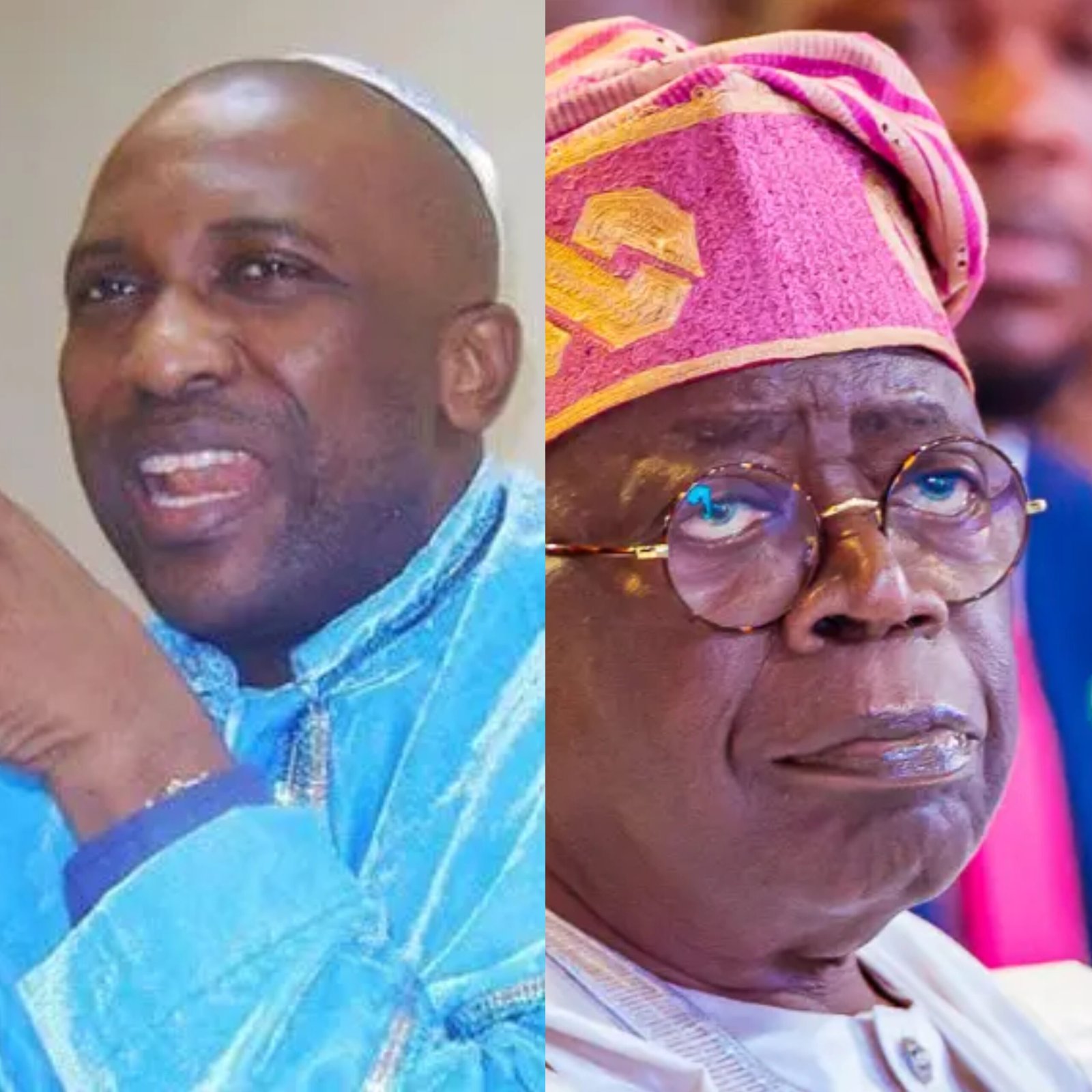
Fresh political undercurrents ahead of the 2027 general elections are beginning to expose subtle cracks within Nigeria’s ruling structure, following a strongly worded warning by spiritual leader, Elijah Ayodele, to President Bola Ahmed Tinubu over the loyalty of governors elected on the platform of the All Progressives Congress (APC).
In an exclusive insight into the cleric’s position, Ayodele did not merely issue a prophetic caution; he touched on what insiders describe as a growing but largely unspoken concern within the party: the reliability of political alliances when electoral stakes become decisive.
According to details obtained by Trumpet, the warning reflects deeper anxieties about shifting loyalties among key power brokers, particularly state governors who remain central to election logistics, grassroots mobilization, and party financing.

“Mr President must be careful. Not all the governors around him are genuinely committed to his political future. Some are only aligning for now but may act differently when it matters most,” Ayodele warned.
While the statement has been publicly framed as a prophetic message, multiple party sources say it echoes ongoing behind-the-scenes conversations within APC circles, where concerns about personal ambitions, succession battles, and regional interests are beginning to surface quietly.
Though the APC continues to project unity at the national level, political analysts note that internal dynamics are becoming increasingly complex. Several governors, it is understood, are already weighing their political futures beyond 2027, some eyeing higher offices, others seeking to consolidate regional influence.
This evolving calculation, insiders say, may ultimately shape their level of commitment to President Tinubu’s re-election bid.
A senior APC figure, who spoke anonymously due to the sensitivity of the matter, dismissed Ayodele’s comments as “speculative,” but admitted that “politics is never static,” hinting that alignments could shift as the election season draws closer.
Ayodele’s warning also points to the possibility of quiet defections or strategic neutrality scenarios that have historically altered Nigeria’s electoral outcomes. While no official moves have been declared, there are increasing indications of discreet consultations cutting across party lines.
Observers believe that some governors may adopt a cautious approach publicly backing the president while maintaining alternative political channels as a hedge against uncertainty.
Such dual positioning, if it materializes, could significantly impact the APC’s electoral strength.
Beyond Governors: A Strategic Rethink
In what appears to be a strategic recommendation, Ayodele urged the president to look beyond governors and deepen direct engagement with grassroots structures and the wider electorate.
This advice aligns with the views of several political strategists who argue that overreliance on elite political figures can be risky, particularly in a volatile political environment where loyalty is often fluid.
Strengthening grassroots connections, they say, could provide a more stable support base independent of elite negotiations.
Rising Debate Across Political Lines
The cleric’s remarks have since stirred widespread reactions. While some APC loyalists insist the party remains cohesive under Tinubu’s leadership, opposition voices argue that the warning highlights real vulnerabilities that could shape the 2027 contest.
Historically, internal party disagreements and last-minute defections have played decisive roles in Nigerian elections—an outcome many analysts say cannot be ruled out this time.
Read also:
- Not all APC governors are for you, Primate Ayodele warns Tinubu of possible betrayal
- Primate Ayodele Releases New Prophecies Concerning 2023 Elections
- Nigeria’s New Year Prophecies Under Lens: Which predictions came true, what 2026 holds
Defining Moments Ahead
As Nigeria inches closer to another election cycle, the issue of loyalty within the ruling party is emerging as a critical factor. Whether Ayodele’s warning proves prophetic or merely speculative, it has undeniably amplified scrutiny on the APC’s internal cohesion.
For President Tinubu, the challenge may not only lie in facing external opposition but also in managing the delicate balance of interests within his own political camp.
With less than two years to the polls, the battle for 2027 may well be decided not just at the ballot box—but within the shifting alliances of power behind the scenes.