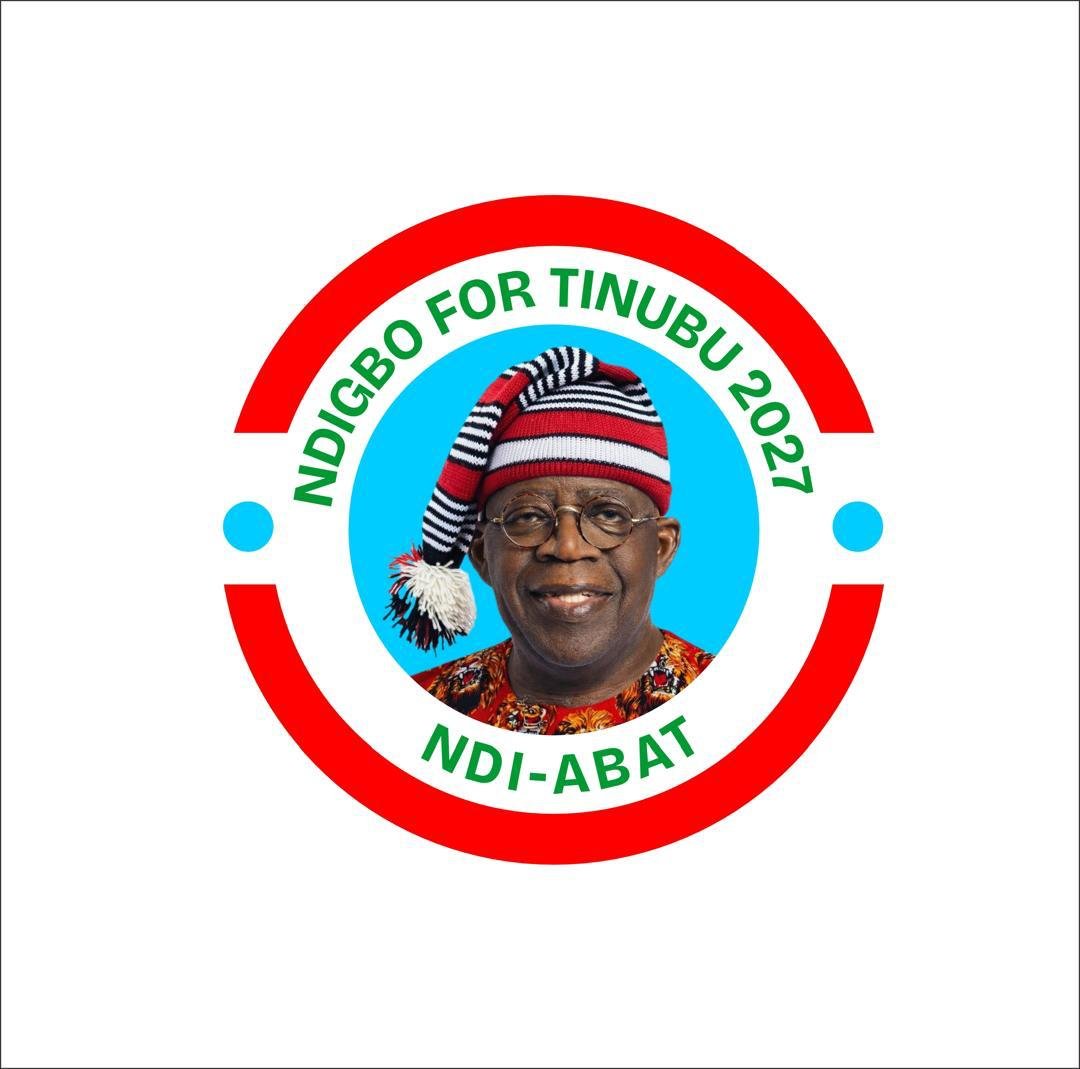
As Nigeria’s political machinery gradually shifts focus toward the 2027 general elections, the pro-administration advocacy group, NdIgbo for Tinubu 2027 Forum (NDI-ABAT), has dismissed recent allegations by former Anambra State governor, Peter Obi, that the Federal Government is actively working to frustrate his presidential ambitions.
In a strongly worded statement issued over the weekend, endorsed by Mazi Okechukwu Isiguzoro, the National Coordinator of the group and Dr. Ugwuoke Ugwuoke Jr, the Secretary General, NDI-ABAT described Obi’s claims as “untenable, politically expedient, and strategically diversionary,” asserting that the former Labour Party presidential candidate’s challenges are not a product of executive interference but rather intra-opposition dynamics. Specifically, the group highlighted Obi’s perceived rivalry with former Vice President Atiku Abubakar as a critical factor shaping his trajectory within the opposition.
Obi, speaking at Sunday media engagement, had alleged that the administration of President Bola Ahmed Tinubu was deliberately undermining his prospects of securing the presidential ticket of any viable opposition platform.

However, NDI-ABAT countered that such assertions reflect a broader strategy to externalize internal vulnerabilities and recalibrate public perception ahead of a democratic realignment.
According to the group, emerging political signals within the opposition ecosystem suggest that Obi’s path to securing the presidential nomination particularly under the African Democratic Congress (ADC) remains uncertain. NDI-ABAT cited what it described as “credible intelligence” indicating that Obi faces substantial resistance from entrenched political interests aligned with Atiku, who continues to wield formidable influence within coalition negotiations and party structures.
“The contention is not with the presidency but within the opposition hierarchy,” the statement read. “The structural power matrix within the ADC and allied platforms suggests that Atiku Abubakar retains substantial influence capable of determining the trajectory of the party’s presidential primaries.”
The forum further suggested that Obi’s recent rhetoric could signal a broader strategic recalibration, potentially laying the groundwork for either a defection or realignment of his political base ahead of the primaries.
The group emphasized that Nigeria’s evolving electoral framework including anticipated statutory amendments and stricter compliance thresholds for candidates has elevated the stakes for aspirants, necessitating deeper alignment with institutional party mechanisms.
NDI-ABAT also revisited Obi’s previous electoral campaigns, contending that his political ascent did not follow conventional, competitive primary processes. In contrast, the group argued, the upcoming electoral contests will likely demand institutional rigor, with delegate-based contests and internal party democracy playing decisive roles in candidate emergence.
While recognizing Obi’s constitutional right to pursue elective office, NDI-ABAT questioned the empirical basis of his self-assessment as the most credible candidate from the Southeast geopolitical zone.
The group cited other regional leaders such as Dave Umahi and Chimaroke Nnamani as exemplars of “transformational sub-national governance aligned with federal integration,” framing them as alternative benchmarks for leadership and political credibility.
Read also:
- 2027: Governor Peter Mba losing ground in Enugu as core support group switches allegiance to Obi, ADC
- Rivers APC chieftain dumps party for ADC
- ADC crisis deepens as 36 State Chairmen drag NWC to Court over primary elections dispute
The statement characterized the unfolding political contest as a function of “intra-elite bargaining, coalition realignments, and strategic positioning,” rather than executive interference. NDI-ABAT urged Obi to engage with the realities of party politics, where consensus-building, delegate mobilization, and elite negotiation remain indispensable variables in the emergence of a viable presidential candidate.
The Trumpet that as Nigeria approaches the 2027 electoral cycle, opposition realignments, candidate viability, and control of party machinery are expected to define the contours of the race.
The dynamics within the ADC and other emerging opposition coalitions suggested that Obi’s presidential ambitions will be tested not only by popular appeal but also by the entrenched structures and negotiation processes of Nigerian party politics.