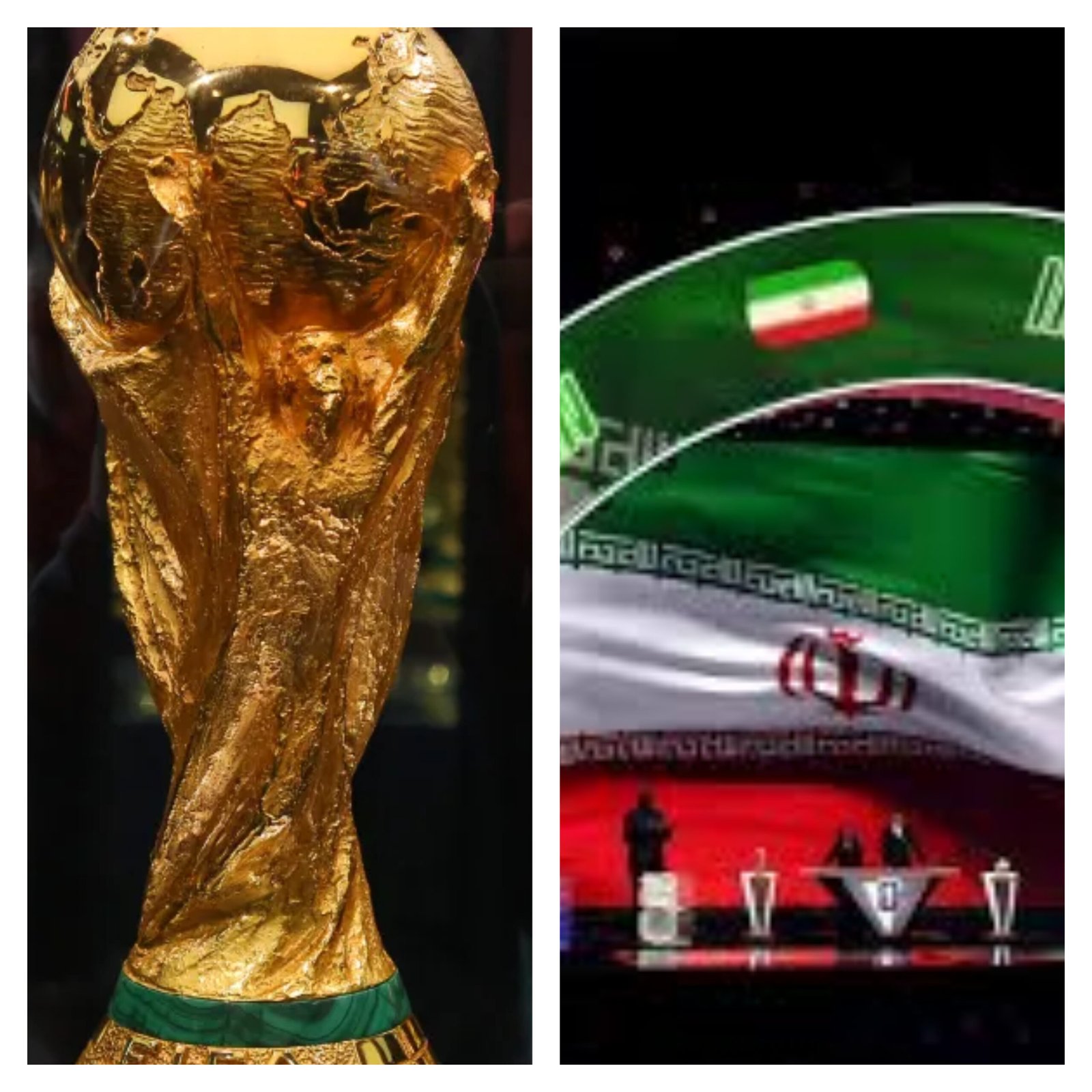
Iran’s football authorities have made a U-turn on their earlier stance not to participate in the World Cup. The body declared its intention to compete in the tournament while refusing to play matches on United States soil.
President of the Football Federation Islamic Republic of Iran, Mehdi Taj, made the country’s position clear on Thursday, March 19, 2026. He dismissed suggestions of a full boycott, opting instead for a conditional approach shaped by strained diplomatic relations between Iran and the United States.
“We will boycott America, but not the World Cup,” Taj said, underlining Tehran’s plan to honour its qualification while avoiding fixtures scheduled in U.S. host cities.

The 2026 tournament, jointly hosted by the United States, Mexico, and Canada, is set to run from June 11 to July 19. Iran is currently drawn to face New Zealand, Belgium, and Egypt in group-stage matches scheduled for venues in cities such as Los Angeles and Seattle, locations now central to the dispute.
Tensions intensified after Donald Trump raised concerns about the safety of the Iranian team if they travelled to the United States. In response, Iranian officials have opened talks with FIFA over the possible relocation of their fixtures.
Read also:
- Iran in talks with FIFA to move World Cup matches over security concerns
- Iran pulls out of 2026 World Cup over rising tensions with United States
- Iran won’t participate in 2026 World Cup, sport minister announces
Mexico has emerged as a potential alternative venue. President Claudia Sheinbaum is reported to have expressed readiness to host Iran’s matches should a compromise be reached.
Despite the diplomatic strain, Iranian football authorities maintain that participation remains their primary objective. Officials say the focus is on balancing competitive ambition with the realities of a tense international climate.
The situation underscores a growing challenge for global sport, where political tensions increasingly intersect with competition. As discussions continue, FIFA faces the task of safeguarding the tournament’s integrity while managing one of its most sensitive geopolitical issues in recent years.